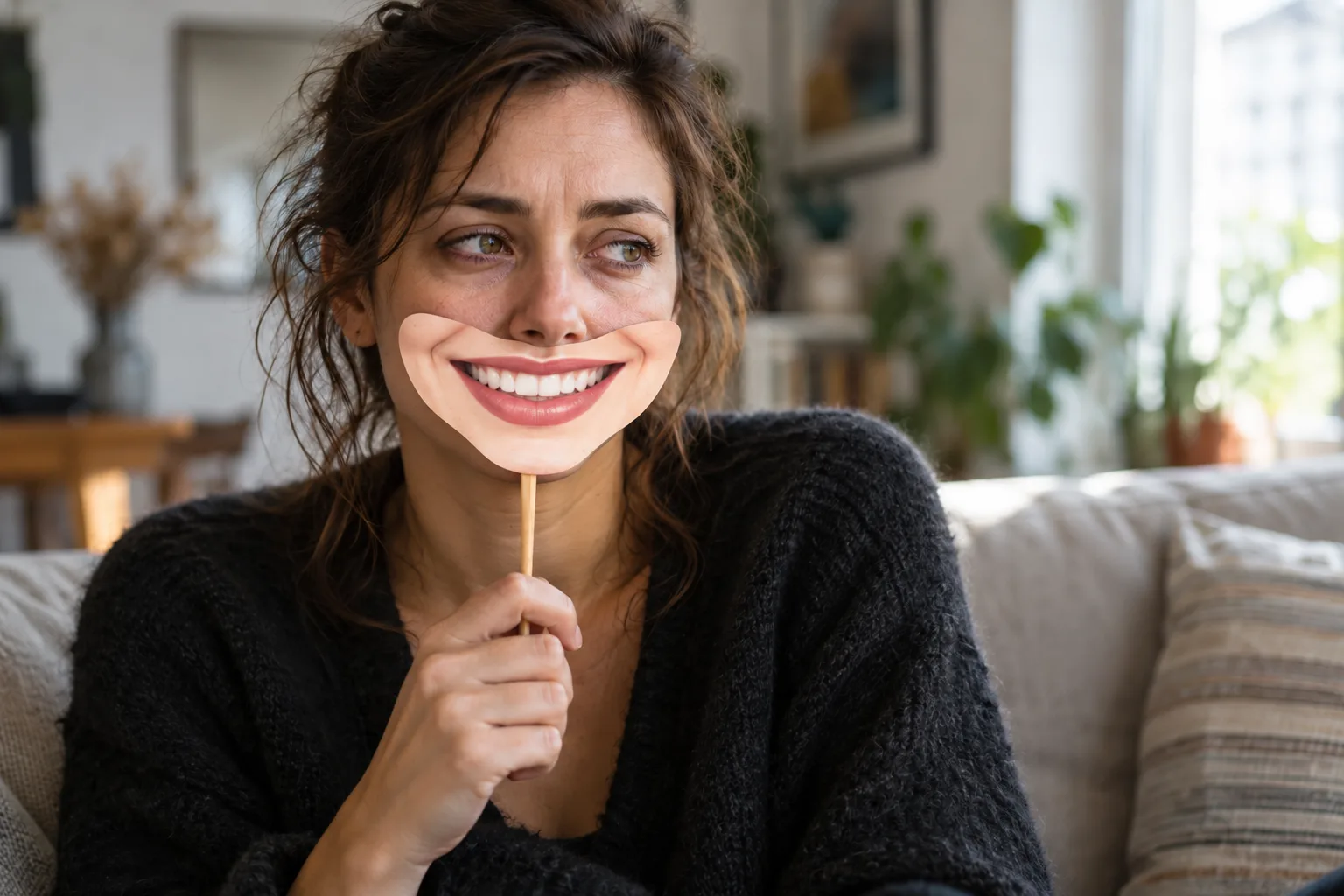
I acted like everything was all right. I went to work, took care of things at home, and told people I was okay. Inside, I was living in fear of being discovered.
I smiled when people smiled. I sighed when people sighed. I said yes when I wanted to say no. I read the room and adapted, sometimes without realizing I was doing it. I tried to be the perfect mother, the perfect wife, the perfect employee. I was always trying to live up to demands I had created for myself.
I had become a chameleon. I changed what I said and how I acted for each person. I could walk into a room with one opinion and leave with another. When I was alone, I wasn’t sure what I really thought.
It got to a point where I could no longer take care of everyone, try to please everyone, and live up to every expectation while hiding the pain that was eating me alive. I had lost any sense of self-worth.
And I was exhausted.
Then I came into Al-Anon. My shoulders dropped and I finally exhaled. I hadn’t even realized that I had been holding my breath all the time.
Who was I without the mask?
I had spent so much time figuring out what other people needed that I had trouble answering a simple question: What did I want? I might have had an answer, but I would check it against someone else's mood before saying it aloud. I could change my mind in the middle of a conversation just because I sensed disapproval.
In Al-Anon I heard other people talk about their lives without trying to make everything sound all right. Listening to their stories, I recognized things I had done and feelings I had kept to myself. I began to tell the truth about my own life, a little at a time.
Meeting myself
My Step Four inventory was the first time I took an honest look at myself. I saw things I regretted. I saw ways I had tried to manage other people and ways I had let fear make choices for me. I also saw how quickly I could turn an honest observation into a judgment about my whole worth.
Telling my sponsor what I had written felt like I was taking my first honest look at myself. I didn't have to leave out the parts I disliked or make them sound better. I could say what was true and have someone hear it.
I wasn't the worst person I feared I might be. I wasn't the best person I had tried to appear to be. I was real.
Making room for my own life
Knowing myself didn't happen all at once after that inventory. I still caught myself watching another person's mood before deciding how I felt. I could know I wanted to say no and still hear myself saying yes. Seeing that happen gave me a choice I hadn't noticed before.
I may still disappoint someone. I may have to listen to an opinion I don't share. I can talk with my sponsor, go to a meeting, and look again at what happened instead of rushing to put the mask back on.
Who I am becoming
Practicing the program has helped me pay attention to what I value and how I want to live. I learn something when I speak honestly, follow through on a boundary, or spend time doing something because I enjoy it. I also learn from the times I fall back into an old habit.
Sometimes an old story tells me I have to keep everyone happy or I won't be loved. I can recognize that story without obeying it. The Stories We Tell Ourselves looks more closely at the explanations and fears that can sound like facts when we've repeated them for years.
I am still learning who I am. Some parts of me were there all along. Others are growing as I practice. I can be honest about who I have been, recognize who I no longer want to be, and keep getting to know the person I am becoming.
Celina R. describes what this can become:
“Today I understand that my self-worth is not based on who is in my life or who chooses to stay. My self-worth is something I have to build and work on within myself. With the help of Al-Anon, I am learning to love myself. I am learning to like the person I am becoming. And I am learning to be kind to the person I used to be, because she did not know any better.”